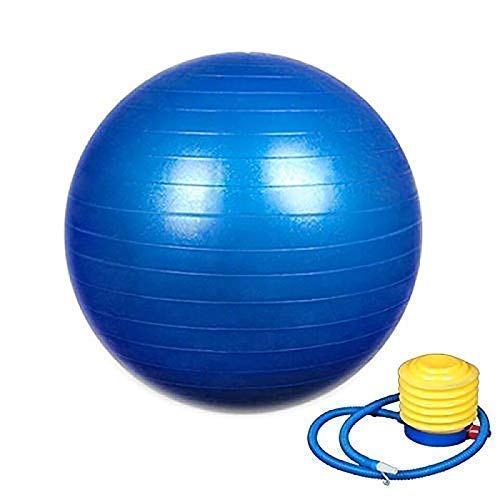
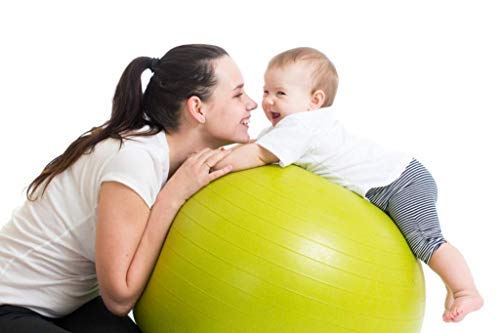
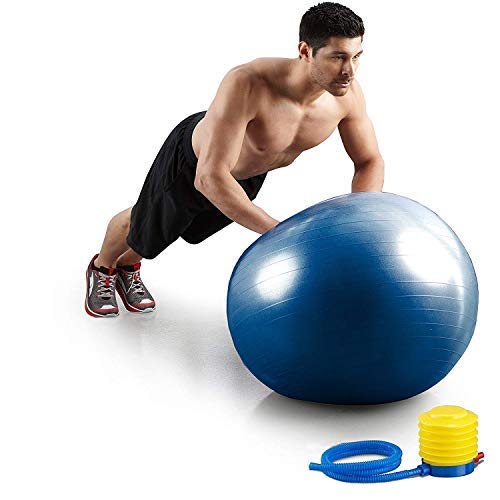
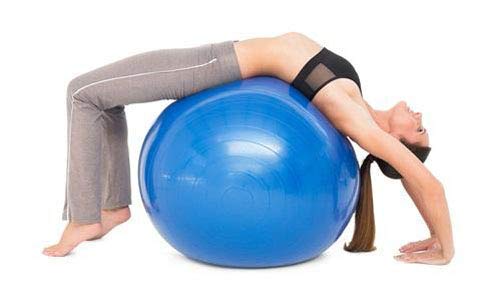
Exercise balls, also known as gym balls, therapy balls, or stability balls, support users of all ages. They safely hold both children and adults. Manufacturers design these bright and durable balls specifically for therapeutic exercise and sensory integration.
Therapists use exercise balls in almost every developmental position. They perform a wide range of activities, including flexion, extension, balance reactions, and postural adjustments.
Therapeutic & Sensory Benefits
Engages the Vestibular System
Sitting, rocking, or bouncing on an exercise ball stimulates the vestibular system. This system helps the body process movement and balance.
Improves Postural Control
Users engage their core muscles while sitting or lying on the ball. This action strengthens posture and increases stability.
Enhances Balance and Coordination
Exercise balls challenge balance and coordination. Over time, users improve proprioceptive awareness and equilibrium skills.
Provides Proprioceptive Input
Movement on the ball delivers deep input through muscles and joints. This input helps users understand body position and movement.
Promotes Focus and Attention
Exercise balls allow controlled movement during seated tasks. This movement helps individuals stay focused and attentive.
Encourages Body Awareness
Users actively adjust posture and movement. These adjustments increase body awareness and support sensory integration.
Offers Tactile Stimulation
The textured surface provides tactile feedback. This feedback supports sensory processing and integration.
Supports Gross Motor Skill Development
Rolling, bouncing, and controlled movement build gross motor skills in a fun and engaging way.
Creates Engaging Therapy Sessions
Therapists use exercise balls to add variety and motivation to therapy sessions. This approach keeps individuals engaged.
Recommended Use
Therapists regularly include exercise balls in sensory integration, occupational therapy, and physical therapy programs. A qualified therapist should guide use to ensure safety and effectiveness.