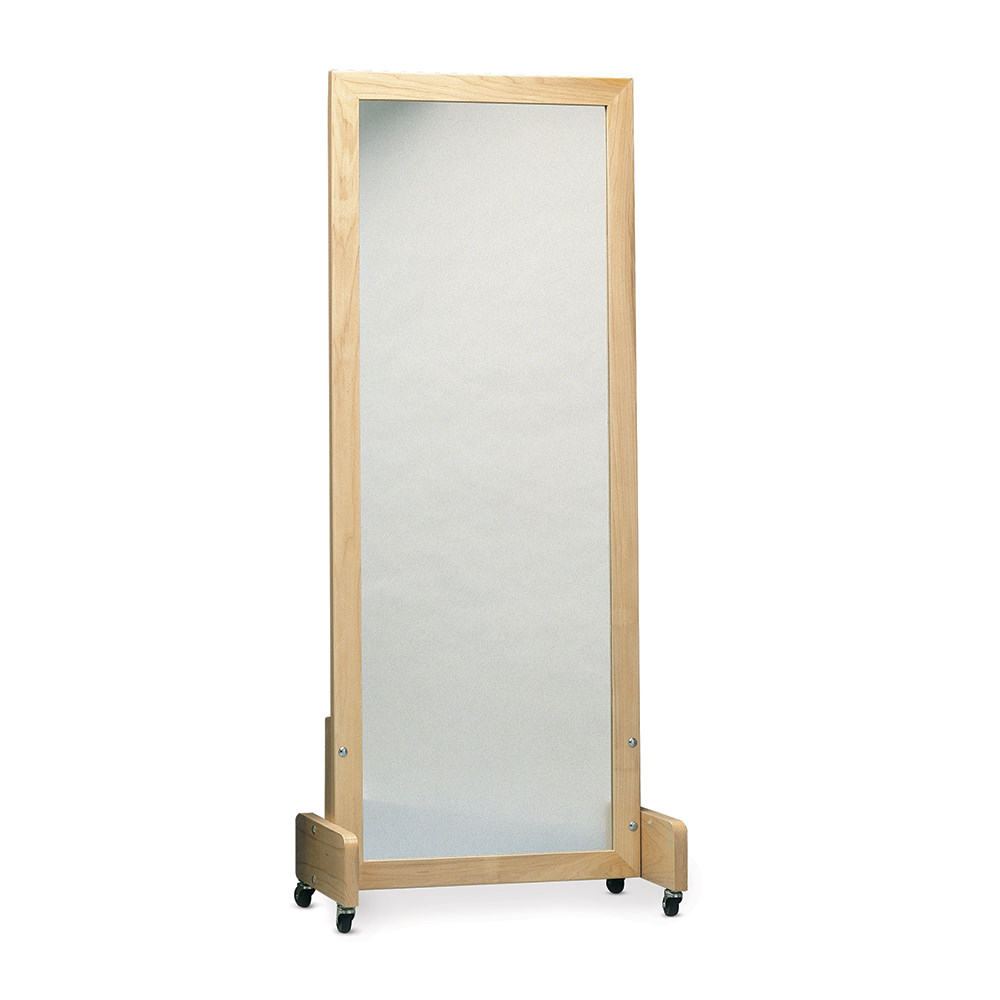
The sensory mirror supports mirror therapy, a proven rehabilitation technique used after stroke. Therapists use the mirror to create the visual illusion that the affected arm or leg is moving normally, even when movement remains limited.
This visual feedback helps the brain re-engage motor pathways. As a result, patients can improve movement in affected upper or lower limbs.
Therapeutic Benefits
Supports Mirror Therapy After Stroke
The sensory mirror reflects the healthy limb. This reflection tricks the brain into perceiving movement in the affected limb.
Improves Limb Movement
Regular use helps improve motor function in arms and legs affected by stroke, especially when combined with guided exercises.
Enhances Activities of Daily Living
Patients can improve functional skills such as reaching, grasping, and controlled movement. These improvements support greater independence in daily activities.
Encourages Brain Reorganization
Mirror therapy stimulates neuroplasticity. This process helps the brain form new connections and supports recovery.
Works as a Therapy Supplement
Therapists often use the sensory mirror alongside physical therapy and occupational therapy programs for better outcomes.
Simple and Effective Design
The mirror provides a clear reflection and easy setup, making it suitable for clinics, rehabilitation centers, and home therapy.
Recommended For
-
Stroke Rehabilitation Programs
-
Physical Therapy Clinics
-
Occupational Therapy Sessions
-
Upper and Lower Limb Recovery
-
Home-Based Rehabilitation
The sensory mirror offers a practical and effective way to support motor recovery, functional movement, and independence after stroke.